Saving Noah by Lucinda Berry
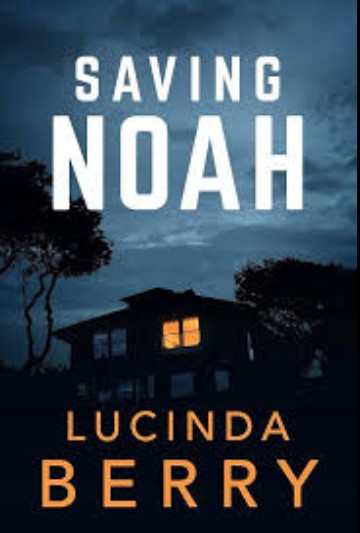
I’ve officially finished this book and, as I always do, saved most of the Goodreads reviews for after I turned the last page—spoilers ruin everything. What stood out to me most is that this story is really about unconditional, selfless love and the lengths a mother will go to protect her child. The ending makes it clear that maternal instinct doesn’t start or stop with us—it’s inherited, passed down through generations, and carried forward long after we’re gone.
A lot of readers are quick to criticize Adrienne’s instinct to protect her son, Noah, but I think that criticism misses an important point: Noah is still a child. Our prefrontal cortex isn’t fully developed until around age 25, which explains why adolescents are driven more by emotion than logic. Yes, Noah is old enough to know right from wrong—but so is my four-year-old. That doesn’t mean they fully grasp the weight or permanence of their actions. To be clear, I am not saying what Noah did to the little girls was right or acceptable. I am saying I understand Adrienne’s overwhelming, instinctive need to shelter and protect her child.
Becoming a mother taught me the difference between unconditional and conditional love. My love for my child has no limits—there is nothing, nothing, I wouldn’t do to keep him safe. That same love does not exist in the same way in adult relationships. There are conditions, boundaries, and lines that, if crossed, would mean walking away. We see this clearly as Adrienne and her husband’s marriage slowly unravels under the weight of fear, secrecy, and moral conflict.
Ultimately, this book is a powerful and uncomfortable reminder about safety—about the importance of having hard conversations with our children early, teaching them about boundaries, private parts, secrets, and speaking up. It’s not an easy read, but it’s an important one. It challenges us to sit with discomfort, examine our instincts, and ask ourselves what we would do when love, morality, and protection collide.
 Messy Minded Momma