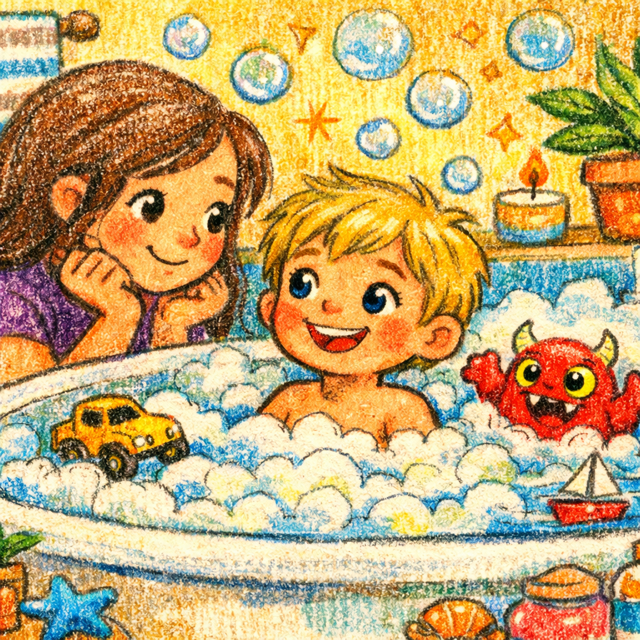
My son has asked for a bubble bath the last two nights in a row. And while I’m not opposed to bubble baths, I know my son. His anxiety, sensory sensitivities, neurodivergence, fears, and wildly active imagination look a lot like… me.
I don’t actually remember having bubble baths as a child, but I’m certain I must have. Kids love bubble baths. Adults love bubble baths. Making bubble beards, bubble hats, bubble shirts. It’s an enjoyable experience. In theory.
As an adult, I desperately want to be a bath person. I have bought the LUSH bath bombs. I have lit candles. I have played soft music. I have attempted to read books and listen to podcasts like the calm, regulated woman I imagine myself to be. But the whole “perfect bath moment” lasts about ten minutes.
Then my aquaphobia kicks in. My wrinkly fingertips and toes gross me out. The sensation of being half wet and half dry makes my nervous system itch. And honestly, I end up showering afterward anyway because are you really clean after sitting in a tub of your own soup?
On Monday night, my son was in the bath playing with his monster trucks when the soap suds from washing his body started to collect around him. He suddenly asked for a bubble bath. This request was surprising because he hasn’t asked for one in well over a year. But of course, I obliged. I turned the tap back on and squeezed in his lavender “calming” bubble solution. The tub was already nearly full, so I only let the water run long enough to create a light layer of bubbles. He happily pushed the suds around with his toys, covering his trucks in foam like a tiny monster truck spa day. All was well.
Last night, however, he had a very specific request. “Lots of bubbles.” He insisted we squeeze the bubble solution in before the tub filled so it would create a full mountain of foam. I obliged again, knowing full well this was going to backfire.
As soon as the tap turned off and the tub was filled with thick, fluffy bubbles, the novelty immediately wore off. “I want a regular bath.”
I politely declined because water is not free and I am not draining a perfectly good tub just to refill it. He asked again, but this time I could hear something underneath his voice. Fear.
He told me he was scared. So I did what parents do. I talked him through it. I showed him there was nothing to worry about. I pushed the bubbles aside with my hands so he could see his toys sitting safely at the bottom of the tub. But as I moved the bubbles, they started climbing. Up my arms. Along the sides of the tub. Onto my son’s back and neck. I could hear the bubbles popping and melting against my skin, leaving behind that slightly itchy, slippery sensation. And suddenly something else was happening.
My own nervous system started waking up. Dysesthesia. Sensory overload. Imagination firing.
I understood my son’s fear immediately because I felt it too. Being surrounded by something you can’t fully see through, in water you can’t fully control, with foam creeping around your body? Nightmare fuel.
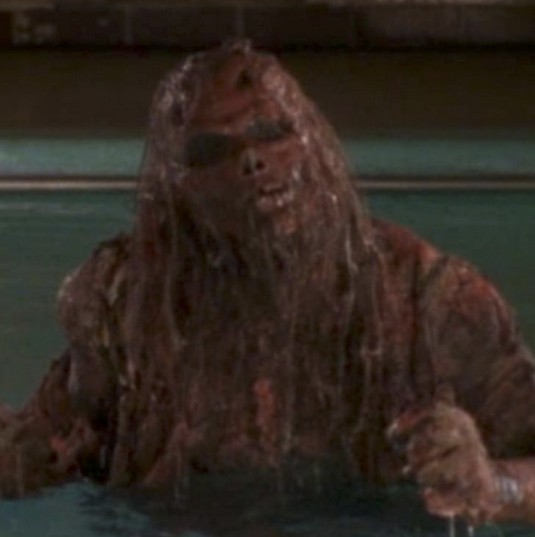
My brain flashed back to being seven years old, sitting too close to the TV watching Are You Afraid of the Dark? and the episode The Tale of the Dead Man’s Float. If you know, you know. That red-draped pool monster emerging from the water burned itself permanently into my childhood memory. Thirty years later, that monster still lives rent free in my brain.
So here I am on a Tuesday evening, trying to calmly reassure my child that bubbles are safe while my inner seven-year-old is screaming, “The water monster is coming.”
In the end, the bubbles slowly dissolved. The monster trucks resurfaced. My son relaxed. The bath finished peacefully.
And I realized something.
Sometimes the things that scare our children are the very same things that once scared us. The difference is, now we are the ones sitting beside them, pretending we aren’t scared at all.
Parenting while neurodivergent can feel like looking into a mirror. His fears echo mine. His imagination mirrors my own. The same sensory overwhelm, the same racing thoughts, the same monsters hiding in ordinary places.
But maybe that’s not such a bad thing.
Because when he looks at the bubbles and sees something scary, I don’t tell him it’s silly. I remember exactly how real it feels. So we sit there together. The bubbles melt away. The bathwater clears. And the monsters, real or imagined, slowly disappear. Even the ones that have been living in my head since 1995.
 Messy Minded Momma
Leave a comment